The Anglophone Literary-Linguistic Continuum
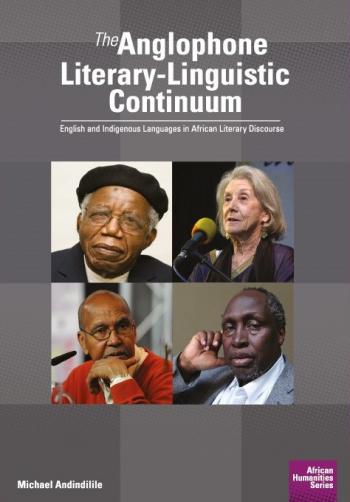
English and Indigenous Languages in African Literary Discourse
About the book

Michael Andindilile in The Anglophone Literary–Linguistic Continuum: English and Indigenous Languages in African Literary Discourse interrogates Obi Wali’s (1963) prophecy that continued use of former colonial languages in the production of African literature could only lead to ‘sterility’, as African literatures can only be written in indigenous African languages. In doing so, Andindilile critically examines selected of novels of Achebe of Nigeria, Ngũgĩ of Kenya, Gordimer of South Africa and Farah of Somalia and shows that, when we pay close attention to what these authors represent about their African societies, and the way they integrate African languages, values, beliefs and cultures, we can discover what constitutes the Anglophone African literary–linguistic continuum. This continuum can be defined as variations in the literary usage of English in African literary discourse, with the language serving as the base to which writers add variations inspired by indigenous languages, beliefs, cultures and, sometimes, nation-specific experiences.
Reviewer’s Comments
‘The work is a worthwhile contribution to the debate on what constitutes anglophone African literature, and whether African literature in English could be considered truly African as part of an “anglophone literary-linguistic continuum”. The concept of such a continuum, based on Bickerton's thesis on the Creole continuum, is interesting and developed persuasively. The author convincingly shows how the four authors chosen for analysis provide diverse perspectives for viewing the continuum of anglophone African writing with peculiar characteristics and divergences imposed by the local context and its influence on the English language’.
Dr Leonie Viljoen, Department of English Studies, University of South Africa
Part of the African Humanities Series